
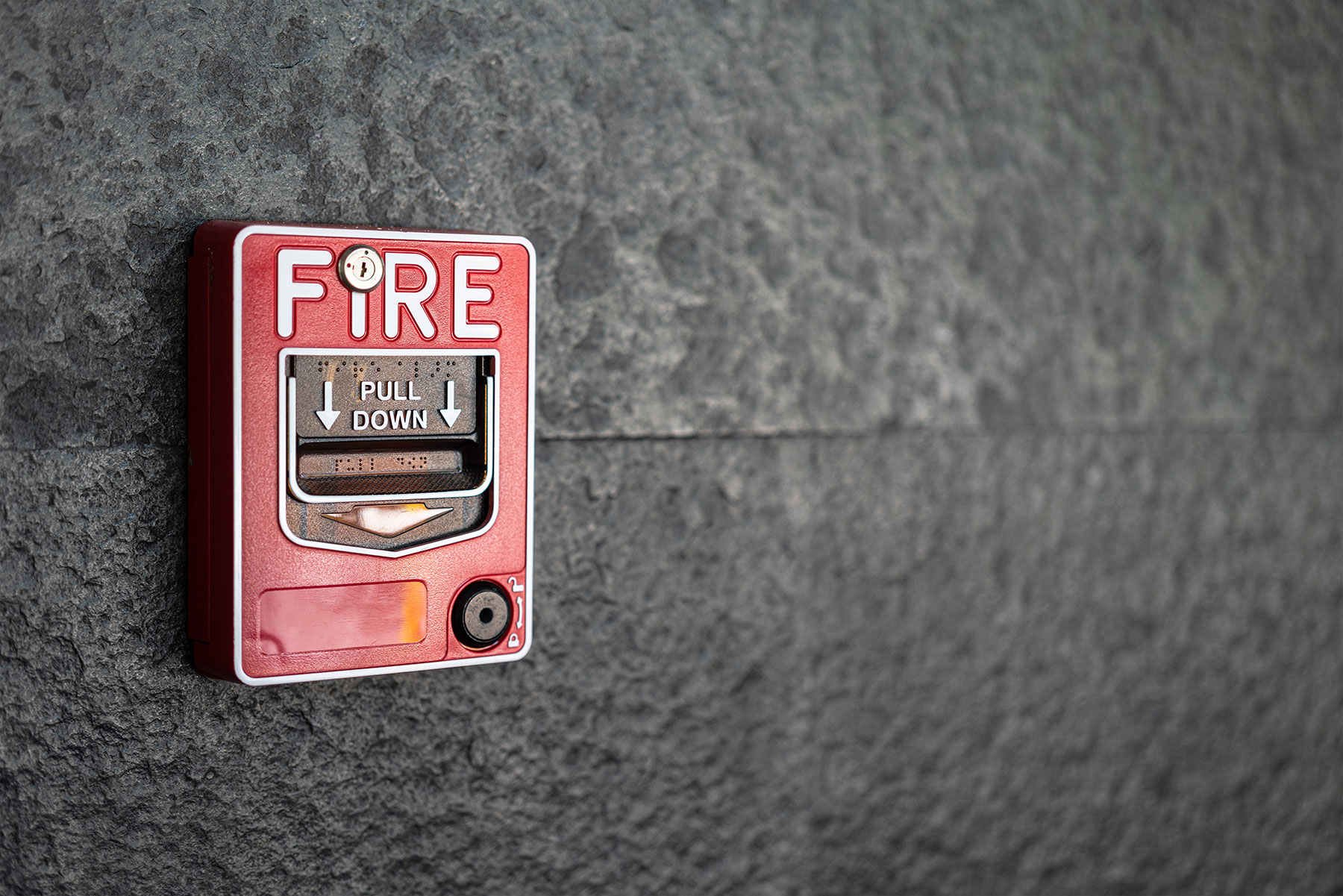
Emergencies strike without warning. They don’t check your schedule or consider your priorities; they simply happen. Yet every business, residential building, and facility in New York City must be ready, not just to react, but to respond with clarity, confidence, and courage. The city is built on momentum; having solid emergency action plans isn’t optional, it’s the foundation of safety.
At Knight Security, they’ve spent over a decade helping New York businesses prepare for the changing because they believe safety isn’t just protection, it’s peace of mind.
What Is an Emergency Action Plan (EAP)?
An Emergency Action Plan serves as a structured guide your team can rely on during critical moments, outlining exactly how to respond to fires, medical incidents, natural disasters, workplace violence, or any event that threatens lives or property. It tells everyone who does what, how to get out safely, communicate, and recover. The plan isn’t general. It’s acclimatized to your structure, people, pitfalls, and way of operating; that’s what makes it effective.
Key Elements of a Successful Emergency Action Plan in NYC
The challenges here aren’t the same as anywhere else. High-density buildings, complex floor layouts, crowded public sidewalks, strict compliance laws, and fast-moving threats require more than a skeleton procedure. Effective emergency action plans consider several layers of reality unique to NYC:
1. Building Layout and Vertical Logistics
In a high-rise, evacuation isn’t as simple as everyone using the stairs. Floor wardens, stairwell management, mobility-assistance roles, and communication chains matter. Every second counts when thousands of people must move quickly through limited routes.
2. Compliance Requirements Set by the City
NYC has specific regulations for commercial buildings, schools, and residential complexes. Plans must meet required standards because in this city, safety laws are not suggestions. There are strict guidelines that protect lives and reduce liability.
3. Realistic Risk Assessment
No two properties face the same set of threats. For some, fire preparedness is the priority. For others, medical incidents, utility failures, workplace violence, flooding, or environmental hazards pose the greatest risk. A strong plan studies the building, not a generic checklist.
4. Communication That Actually Reaches People
During a crisis, confusion spreads faster than smoke. A reliable communication structure alerts, announcements, instructions, and role-based responses, keeps order when panic tries to take over.
A plan designed for New York must acknowledge the city’s complexity. It must assume high foot traffic, overlapping responsibilities, and rapid changes in conditions. Anything less is insufficient.
How Strong Emergency Action Plans Protect People and Property
Picture a full building evacuation in Manhattan at 10 AM on a weekday. Elevators stop. Stairwells fill. Sirens echo outside. The streets below are already crowded. It’s not an environment where improvisation works.
A well-built plan provides three key advantages:
1. Clear Direction in Chaotic Moments
People don’t need long explanations during emergencies; they need immediate clarity. Strong plans make procedures so intuitive that even someone unfamiliar with the building can follow them.
2. Faster, More Organized Response
Designated teams of floor wardens, communication leads, first-aid responders, and mobility-assistance personnel ensure everyone moves with purpose, not panic.
3. Reduced Liability and Greater Compliance Safety
A well-documented plan protects organizations from legal exposure and meets local emergency action requirements. When inspected, you’re not just covered, you’re prepared.
What Knight Security Does for You
Knight Security is a trusted partner for security services in NYC, from elite building security to event protection and more, but their EAP expertise takes you beyond prevention to prepared readiness.
Here’s how their Emergency Action Plans services stand apart:
Thorough Risk Assessment
Before writing a single page, they evaluate your building and operations from every angle hazards, vulnerabilities, building layout, tenant needs, and more. This isn’t theoretical. It’s site-specific, NYC-specific.
Customized Emergency Action Plan
They build your EAP to cover:
- Fire evacuation procedures
- Medical emergency response
- Natural disaster readiness
- Active threat protocols
- Communication flow (staff, clients, emergency responders)
- Post-event recovery procedures,
Training & Team Preparedness
A plan written down is good, but a team that knows what to do is priceless.
Through Knight Training Institute (KTI), they provide hands-on training, drills, and guidance so your staff aren’t learning during the crisis; they’re executing with confidence.
Ongoing Review & Updates
Emergencies evolve just like your business. Your Security plan is not static; it adapts with changes in personnel, building use, and regulations.
Why Many Buildings Still Fail During Emergencies
Even well-designed procedures fall apart when:
- Staff are untrained
- Roles are unassigned
- Maps are outdated
- Signage is unclear
- Communication fails
- Drills aren’t taken seriously
- Plans don’t match the real building use
Many buildings rely on paperwork rather than action. A genuine safety strategy is part structure, part leadership, and part repetition.
Crafting Effective Safety Plans
At Knight Security, they work with buildings across New York to design, refine, and strengthen their emergency action plans so they work under pressure, not just on paper. They analyze building flow, identify blind spots, assign response teams, and create realistic, actionable systems that keep people safe.
Whether your property needs a full plan built from scratch or a complete modernization of an outdated one, they help to ensure your emergency procedures match the city’s standards and your building’s needs.
FAQS:-
Is an EAP legally needed in NYC?
Numerous businesses, especially those with workers or public access, are required by OSHA and NYC safety regulations to maintain a written emergency plan. Not having one can lead to damage and increased liability.
How frequently should my Emergency Action Plan be streamlined?
Your plan should be reviewed and streamlined regularly, especially after drills, staffing changes, building variations, or changes to safety codes.
Do you handle plans for all types of buildings?
They customize EAPs for residential buildings, office spaces, commercial facilities, event venues, and more. Every plan is built for your unique environment.
How do I start the Emergency Action Plan process with Knight Security?
Communicate with them for a structured safety assessment or discussion, and they’ll accompany you from evaluation to execution with care, expertise, and empathy.