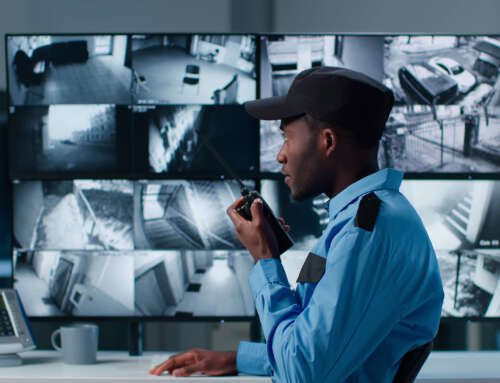

Patrolling is the backbone of good security guard work. It’s not just walking around. It’s being present, alert, and prepared every single shift. It helps a guard find and prevent problems. At security guard training institutes, guards are trained to patrol smarter. Here are 10 important tips for a security guard for a successful patrol.
1. Know the Property Before You Start
When you are responsible for the security of a property, you must know it inside out. You must be aware of all the entry and exit points. The blind spots. The areas at high risk. The gates that are left unlocked. As a security guard, knowing the property well helps you detect problems faster. Walk the entire area on your first day. Ask questions. Take notes if you need to. That preparation pays off every shift after.
2. Build a Strong Pre-Shift Routine
Preparation before your shift starts matters a lot. Before you step out, check your communication devices. Make sure your radio, torch and other gear you carry work. If any incident has occurred in the previous shift, you must have complete knowledge. A few minutes of preparation saves you from being caught off guard later. Security guard services at Knight Security require every officer to complete a pre-shift check without exception.
3. Make Eye Contact and Acknowledge People
When you make an eye contact with someone, they know they have been noticed. This alerts people with bad intentions. They avoid being noticed. But when they know a security guard has seen them, they may be discouraged from the act. It also builds trust with people. Employees, residents and visitors feel safer when guards acknowledge them.
4. Document Everything You Observe
Your memory is not a reliable incident log. Write down everything you notice; even things that seem minor. A suspicious vehicle parked near an exit. A door that was left slightly open. A light that was out. A person who was in an area they shouldn’t be. Small observations often become important later. If an incident is reported, your detailed notes are evidence. If nothing happens, you’ve still built a record of a thorough patrol.
Knight Security provides all guards with structured incident logs. Use them every shift, not just when something big happens.
5. Stay Mentally Present — Not Just Physically There
You can patrol without really patrolling. Going through the motions while thinking about something else is not patrolling; it’s just walking. Real patrolling means your mind is engaged the entire time. Scan your surroundings actively. Notice things that have changed since your last round. Notice everything, not just obvious threats. A sharp security guard catches things that others completely miss.
6. Communicate Proactively With Your Team
You should be in contact with your fellow guards all the time. Check in regularly. Share your observations. Sometimes, more than one person in the team notices something similar. Such observations can help deter an incident. Good security and guard teamwork means information flows constantly, not just during handovers. At Knight Security, communication between the security team is a point of focus.
7. Manage Your Energy Across Long Shifts
Fatigue is a real threat to effective patrolling. A guard who is exhausted after four hours is not protecting anyone well for the remaining four. Stay hydrated. Move consistently. Don’t stand still for longer. Take short scheduled breaks, but don’t forget to communicate. During the break, sit down, breathe and reset. Come back from the break, refreshed.
8. Use Lighting to Your Advantage
Know the lighting conditions of every area on your patrol route. In some areas, the lighting may be dangerously inadequate. Report such areas. When approaching a dark area, pause at the edge of the light. It gives your eyes time to adjust. Move strategically, not carelessly. Report any lighting deficiencies immediately.
9. Stay Professional Under Pressure
Not every interaction on patrol is calm. Sometimes people are frustrated. Sometimes they push back when you redirect them. Sometimes they test your boundaries. Stay calm. Keep your voice steady. Never let your emotions lead your response. Sometimes, you will have to use calm words and body language to de-escalate. It reduces tension.
10. Learn From Every Shift
Every time you face a situation, it teaches you new things. Use your experiences to learn things and to get better over time. After each shift, spend five minutes reviewing your patrol. Make notes:
- What did you notice?
- What did you miss?
- Was there a moment where you could have responded differently?
- Discuss your challenges with your supervisor.
Knight Security believes in regularly debriefing the guards to help them learn from every shift. Our security guards are professionals you can fully rely on.
Final Thoughts
A successful patrol is about being fully present at the venue, knowing your environment and communicating well with the team. Learning with every experience is essential. Knight Security trains every member of the team for any job perfectly. Contact Knight Security today for top security guard services and Knight Training Institute (KTI) for security guard training.
Frequently Asked Questions
1. What makes a security guard patrol effective?
An effective patrol combines preparation, observation, documentation and communication. A security guard should be physically present and mentally alert throughout the shift.
2. What should a security guard do if they notice something suspicious during a patrol?
Document what you observed with detail. Communicate it to your team and supervisor immediately. Avoid confronting a suspicious individual alone.
3. How important is communication in security and guard work?
It is one of the most important skills. Communication done clearly and on time between security team members can prevent serious situations. It ensures a fast response to emergencies.
4. How does Knight Security train its guards for patrolling?
Knight Training Institute (KTI) provides training to guards that covers:
- Environmental awareness
- Documentation
- De-escalation
- Use of technology
- Professional conduct
The Knight Training Institute (KTI) combines classroom instruction with practical preparation. They make the guards ready for real-world situations.