
Every commercial building tells a story about the business inside it. Staff want to work in safe places, visitors want a secure trip, and property owners wish that their assets are protected day and night. In today’s world, popularity comes with threats that can strike at any time. At that time, making professional commercial building security the best decision for maintaining a safe environment and building a strong, consistent reputation.
Regardless of whether you are located inside an office building, retail shop, residential community, or industrial warehouse, security would definitely play a major role in keeping things from becoming disastrous.
In this blog, we’ll outline the key precautions you should take for facility protection and how commercial security services keep businesses safe every day.
Step 1: Understanding the Importance of Building Security
One of the most important aspects of the management of any commercial property is security. Many risks can affect businesses, including theft, unauthorized use, damage, vandalism, and conflict in the workplace. If not protected, these risks can affect employees and visitors and may affect business operations. Building security solutions for professionals provides a secure environment and ensures that businesses are orderly and confident in the workplace. A good security presence also helps to prevent crime.
In today’s commercial buildings, the most common requirements are:
- Access control systems
- Security patrols
- Visitor management
- CCTV monitoring
- Emergency response planning
This is where Knight Security can assist a business in establishing a secure strategy for a specific type of property or a certain level of operations.
Step 2: Performing a Security Risk Assessment
The first step in developing a business security plan is to identify possible vulnerabilities of the property. This may be accomplished through a risk assessment process, which will help in identifying what needs to be monitored more closely.
Key Areas Examined in a Security Assessment
- Arrival and Exit Points
Carefully monitor all doors, gates, loading docks, and parking garages and deny access.
- Heavy Traffic Areas
Extra surveillance and patrol are frequently needed in reception areas, elevators, hallways, and areas of common use.
- Lighting and Visibility
Low-light areas will create security issues. Proper lighting, both inside and out, enhances visibility and safety.
- Emergency Preparedness
Individual emergency plans have been created to deal with the risks posed by fire, health, evacuation, and security breaches.
These plans are reviewed by professional security vendors and are customized security packages for office buildings.
Step 3: Hiring Skilled Security Guards
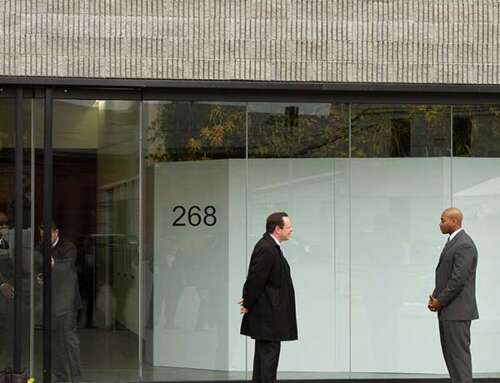
One more critical factor to secure office buildings is staffing them with trained and experienced guards. Police officers with years of experience are available to keep the peace and are able to respond to suspicious persons and emergencies promptly.
A professional commercial properties guard provides the following:
- Controlled access monitoring
- Visitor verification
- Incident reporting
- Emergency assistance
- Security patrols are normal
Knight Security has trained officers with knowledge and understanding of how to protect commercial property, keep tenants safe, and respond professionally to incidents.
Step 4: Advanced monitoring systems setup
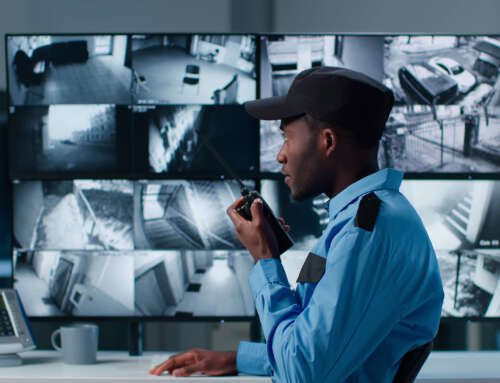
Technology is a big part of security in buildings today. Security cameras and monitoring systems enable businesses to see what is happening at their location continually.
Benefits of Surveillance Systems:
- 24/7 Monitoring
Security cameras are used to monitor entrances, parking lots, hallways, and other restricted areas 24 hours a day.
- Evidence Collection
Video footage aids in investigations of incidents and law enforcement efforts as needed.
- Preventing Crime
CCTV is effective in stopping crime, including robbery, vandalism, and trespass.
- Remote monitoring
Many modern systems let property managers monitor buildings remotely, with the help of secure applications.
Step 5: Visitor Management and Access Control
Access control is an essential aspect of today’s security planning. Systems must be put in place to stop people from getting onto the premises without permission, and yet be convenient for staff and visitors.
Common Access Control Solutions:
- Keycard entry systems
- Biometric scanners
- Visitor check-in procedures
- Employee identification badges
- Restricted access zones
Such systems allow businesses to track movement around their premises while protecting sensitive areas.
Step 6. Develop an emergency response plan
All commercial properties must clearly define emergency procedures. In emergencies, security staff play an important role in leading the evacuation, summoning help, and holding the crowd in check.
Emergency Situations Important:
- Fire Emergencies
Security guards help to evacuate and make sure emergency exits are available.
- Medical Incidents
Officers will be able to provide immediate help until medical assistance arrives.
- Suspicious Activity
Security officers can detect potential dangers and take necessary measures to prevent people from getting hurt.
- Natural Disasters
Business continuity plans enable businesses to operate during bad weather or other unexpected events.
Step 7: Conducting Ongoing Security Assessments
The security needs may change as an organization expands, adopts new technology, or sees an increase in the number of individuals entering its premises. The security assessment process will continue and may aid in the identification of these changes.
Organizations should carry out regular security audits of:
- Surveillance coverage
- Guard performance
- Access control systems
- Emergency procedures
- The illumination and visibility of the property
Knight Security partners with businesses to create customised security solutions that provide long-term property protection and expert risk management.
Conclusion
Monitoring isn’t enough when it comes to protecting commercial properties. As part of your security strategy, consider all aspects such as correct training of security guards and monitoring, access control, and planning for any emergencies. A properly prepared commercial building security strategy will help in minimizing risks and promoting workplace security.
Knight Security can offer the appropriate environment that is safer and more controlled. Whether you require commercial patrolling services or security systems for your building, we have got you covered! Their security specialists are well versed in prevention, response, and trusted home protection. Contact us today to develop a custom building security plan to protect your business, staff, and operations with dependable commercial security solutions.
FAQs
What is Commercial Building Security?
It includes safeguarding offices, commercial premises, and other business facilities using surveillance equipment, access controls, professionally trained security officers, and emergency plans.
Why is it that commercial premises require security officers?
Security officers help control access points, handle emergencies, keep people from doing anything illegal at commercial properties, and more.
What does a commercial properties guard do?
A professional commercial premises security officer is an individual who conducts patrols, accesses monitoring, and detects any unusual occurrence, among other security tasks.
How does surveillance equipment ensure building security?
Security cameras are used to detect activities taking place inside a building, stop any criminal act, be part of evidence during investigations, and more.
Why should businesses consider security services?
Businesses should consider security services since they help minimize risks, create a safe working environment, protect their properties, and more.