
New York’s streets, with their lively nature, call for continuous attention, surveillance, and protection. The security needs of such spaces range from glamorous events in Manhattan with celebrity red carpet entrances to the bustling world of TV stations and corporate offices, all of which need humans to be kept safe. While digital alarms help monitor an area, true security relies on the responsive presence of licensed professionals. This protective baseline is maintained across the city every day by dedicated private security guards.
At Knight Security, we understand that top-notch protection is entirely due to excellent training and deep personal responsibility. In this article, we will explain the foundational duties of security personnel and examine how professional guidance keeps our commercial spaces safe.
The Critical Duties of Private Security Guards
The daily tasks of modern private security guards extend far beyond sitting at an entrance station. They function as adaptive first responders who safeguard assets, manage risks, and represent the professional image of the facility they protect.
1. Controlling Access and Managing Logistics
Guards stationed at corporate offices, production lots, and hospitality spaces act as the primary filters for entry. They verify identifications, manage visitor credentials, issue temporary badges, and monitor delivery manifests. This persistent access control ensures that unauthorized individuals cannot compromise the interior environment.
2. Conducting Active Patrols
Guards need to perform foot patrols inside the interior passageways, stairways, and perimeter outside the building. This ensures that they can discover any hazards, check the status of fire doors and locks, and identify suspicious activity. A strong psychological deterrent to any form of criminal activity is the visibility of a uniformed person.
3. Surveillance of Fire, Security, and Alarm Systems
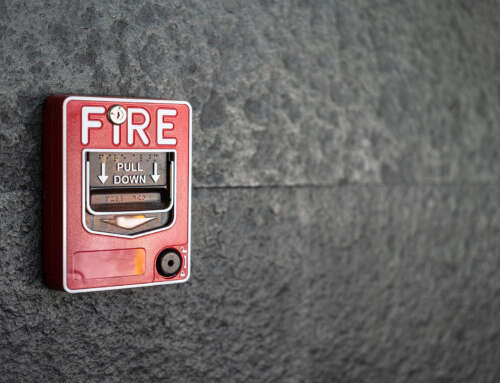
Facilities employ very sophisticated monitoring systems, including cameras, motion detectors, and fire safety devices. Guards keep track of these systems for any abnormalities in the building. Whenever there is an alarm, they make an immediate investigation of the situation.
4. Emergency Response and Risk Management
In the case of emergencies such as fire, medical emergencies, and security breaches, the guards respond immediately to the situation. They carry out their activities according to the emergency plans already outlined. In addition, they coordinate with the local authorities for prompt handling of the situation.
5. Incident Reporting and Log Maintenance
Communication forms the bedrock of long-term commercial safety. Guards document all daily occurrences, visitor metrics, and unusual events in structured digital logs.These comprehensive reports assist management with risk assessment adjustments and preserve data for liability purposes.
Shaping Professionals: The Impact of Elite Training
A security team is only as reliable as the instructional framework behind it. At Knight Security, our reputation as New York’s premier security company is rooted in our rigorous educational institute. Our guards learn conflict de-escalation, legal protocols, asset management, and advanced emergency tactics.
By onboarding a new, specialized security trainer, we continually modernize our operational tactics. This continuous improvement process guarantees that all our armed and unarmed guards conduct themselves with perfection when performing their duties for the protection of entertainment sets, corporate buildings, and distinguished clients.
Conclusion
No matter whether they patrol an entertainment set, control crowds during the red carpet events, or guard corporate lobbies, private security guards constitute a reliable foundation of metropolis security. Their presence is a source of confidence that makes cities run smoothly without any disruptions.
Our mission at Knight Security is to establish the greatest levels of security and preparation throughout the Tri-State region. We serve our clients with outstanding, extremely disciplined security agents by consistently investing in expert training individuals.
If you want to protect your establishment, entertainment, or corporate event with the best protection teams, do not hesitate to contact us today.
FAQs:-
Q1: What are the key tasks of private security guards?
They safeguard premises through checking the access of visitors, performing physical patrols inside buildings, and monitoring surveillance systems. Other tasks include organizing evacuation procedures, resolving conflicts, and writing reports about their shifts.
Q2: What is the difference between armed security and unarmed security?
The unarmed security staff deals with prevention and access management, while the armed security staff requires extensive training in dealing with weapons to provide security in dangerous places.
Q3: How do local businesses benefit from on-site private security guards?
On-site personnel offer immediate physical response capabilities that software or standalone cameras simply cannot replicate. They mitigate property crimes in real-time, protect employees, lower organizational liability, and handle sudden venue emergencies professionally.
Q4: What certifications must professional security guards maintain in NYC?
Guard candidates must clear strict fingerprint-based criminal background checks via the state. They must also complete official training certification courses, including state-mandated pre-assignment and annual maintenance coursework.
Q5: Can an office or residential facility request custom security plans?
Yes, specialized agencies design custom deployment protocols based on a structure’s specific vulnerabilities. Plans can integrate elements of building gatekeeping, specialized fire safety warden duties, or temporary event security teams.