
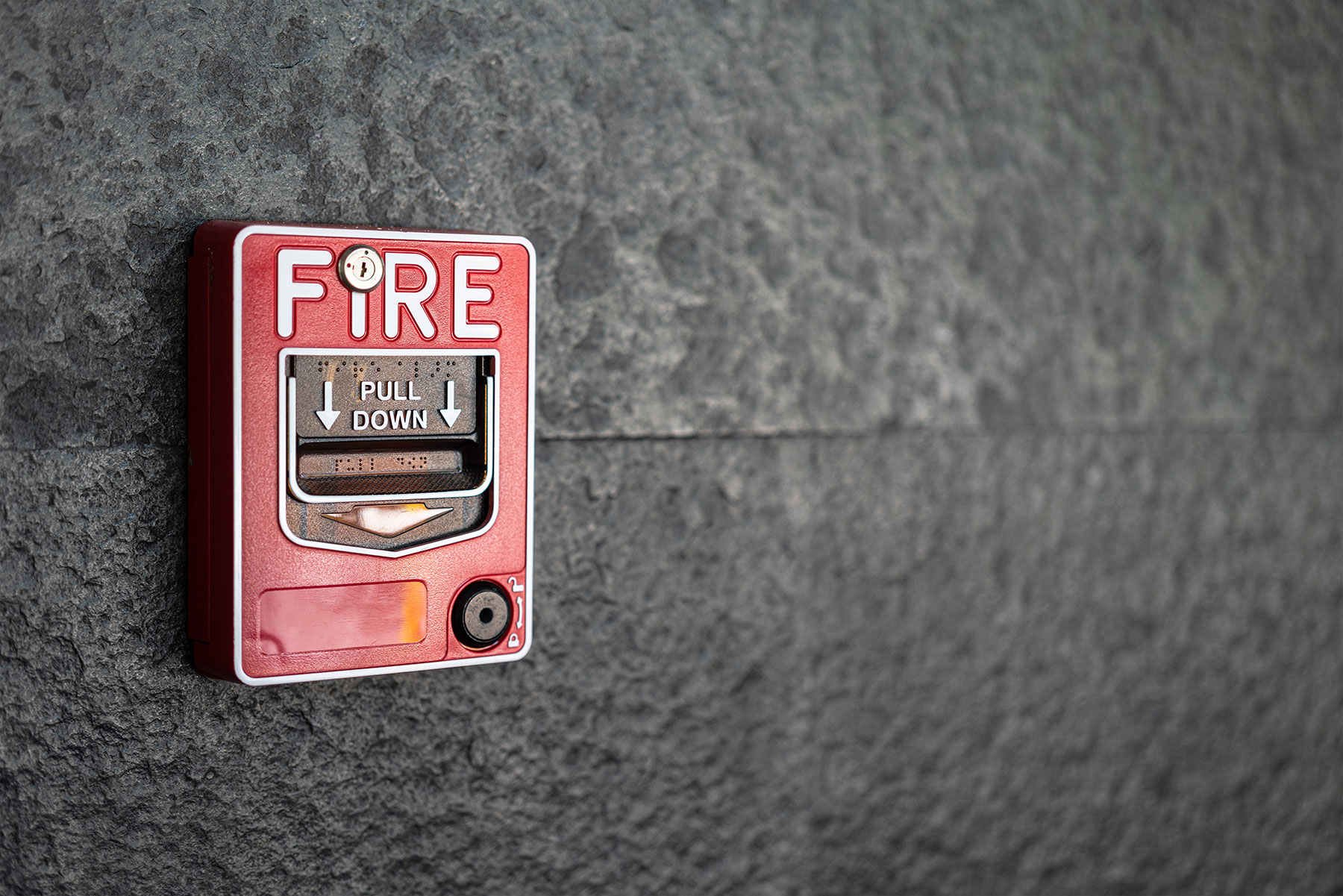
A crisis can lead to chaos within seconds when it hits a packed venue or facility in New York City. In such high-pressure situations, it all depends on how prepared one is. That is the reason why having an up-to-date emergency action plan is not only an obligation but the dividing line between chaos and proper planning. The experts’ firm offers high-end security services in the Tri-State Area for special events, businesses, and production shoots. In this blog, we are going to talk about how to develop a successful strategy for dealing with crises in the workplace.
What is an Emergency Action Plan?
An emergency action plan entails a detailed written plan that outlines the way through which employees, managers, and security officers should handle an emergency. It is not just any written document that should be kept aside on a desk. Rather, it is a guidebook aimed at ensuring that no confusion is created and that people leave the building in an organized manner during an emergency.
It does not matter whether the emergency involves adverse weather conditions, fire, a health hazard, or a security threat; an effective crisis action plan will make sure that all the people within the building form one unit.
The Critical Element of an Emergency Action Plan During an Emergency
The absolute most critical element of an emergency action plan when an emergency occurs is clear, real-time, and structured communication.
Without an organized way to share info, even the best escape routes fail. Real-time communication must target two specific areas:
- Internal Alerts: Instantly notifying everyone inside the venue or facility about the specific hazard and directing them on exactly what to do.
- External Dispatch: Contacting local first responders immediately with accurate, live details about the situation.
When information flows smoothly, it cuts through the panic. It turns chaos into a step-by-step movement toward safety.
Core Pillars of a True NYC Safety Strategy
A strong protection plan must be incredibly detailed yet simple enough for people to execute under intense pressure. Every effective layout from Knight Security relies on three primary pillars:
Assigned Leadership Roles
A plan cannot work without clear enforcement. There must be a designated chain of command, led by a coordinator or a Fire and Life Safety Director (FLSD), who takes control of the situation and speaks directly with emergency teams.
Verified Evacuation and Shelter Routes
Different emergencies require different physical movements. A proper plan maps out specific exit paths for evacuation events, like fires, alongside secure internal locations for sheltering in place during external city threats.
Strict Accountability Controls
Getting out of the building is only half the battle. Safety coordinators must use pre-set assembly areas to account for all staff and guests, ensuring that first responders do not waste time searching cleared zones.
We Are Hiring: Join Knight Security as a Security Trainer!
“True protection relies on the quality of our training. We don’t just teach safety guidelines; we build the muscle memory required to manage a crisis effectively.”
Because we know that an Incident Response Plan is only as reliable as the people who manage it, Knight Security is actively looking to hire an experienced, motivated Security Trainer for our specialized training center.
In case you have had extensive experience in tactical security, emergency planning, or close protective details, we would like to talk to you about joining us. Your job will be training our armed and unarmed agents, creating a practical emergency drill program, and advising clients on how to implement their crisis action plan perfectly. We need managers who can provide us with professionalism and commitment in our premium company.
Conclusion
There is no time given before the crisis strikes, but the comprehensive security plan allows you to control the whole situation. Maintaining open lines of communication, giving specific responsibilities, and conducting regular drills within this emergency action plan will help you ensure the safety of your staff, customers, and facility.
Knight Security provides excellent venue management, executive protection, and consulting services in NYC. If you want to reinforce your facility or apply for our open security trainer role, visit the official website’s Contact Page or call us directly at (212) 609-3400 to upgrade your trouble action plan today!
FAQs
What is the primary focus of a Crisis Management Plan?
The main purpose of a trouble action plan is to save human lives, minimize confusion, and coordinate clear actions during an unexpected workplace crisis. At Knight Security, we build these strategies to offer complete clarity so teams can make smart choices when seconds matter.
Who is responsible for managing an EAP in New York facilities?
Facility management, business owners, and designated safety coordinators are responsible for setting up the plan, often in tandem with a Fire and Life Safety Director. The trusted Security works closely with businesses to look over layout risks and ensure full alignment with local protection guidelines.
How frequently must a Crisis Management Plan be practiced by the team members?
In order to have an efficient emergency action plan, it needs to be performed actively once or twice a year to refresh information on it. Drills provide immediate reflexes to recognize the ways of escape and emergency signs at the blink of an eye.
What is the main distinction between evacuation and shelter-in-place techniques?
The evacuation technique is when everybody has to leave a building because of an emergency within it, such as a fire. Sheltering-in-place means relocating people into safer spots inside buildings in order to protect them from outside risks.
Can professional security guards assist in case of a medical situation?
Professional security guards perform the role of the first helpers who provide basic assistance, operate automated external defibrillators, and control crowds in order to leave emergency exits unoccupied for paramedics.