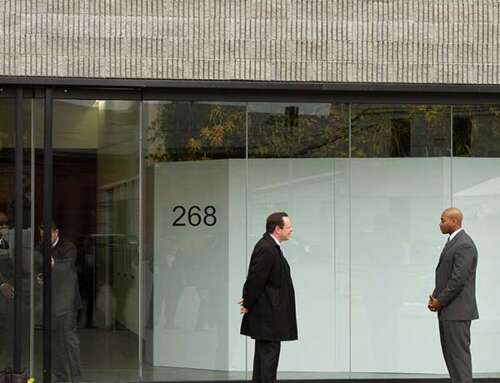

Hotels become part of people’s stories, welcoming families after long journeys, supporting business travelers, and hosting shared moments between couples. Behind every calm lobby and welcoming smile is a responsibility that guests infrequently see but always feel safe. At Knight Security, hotel security isn’t treated as a roster but as a promise to cover people, property, and peace of mind. This companion explores how thoughtful hotel security operations build trust, comfort, and a continuing character for hotels of every size.
Why Hotel Security Matters More Than Ever
Hotels are also selected depending on comfort, location, and reviews by the guests, but they come back since they feel secure. One security breach will ruin decades of built credibility. The operation of hotels today is 24 hours and is characterized by continuous movement through the lobbies, lounges, restaurants, parking, shops, and guest floors. There are dangers associated with each area, including hacking, disruptions, and crises.
Good hotel security does not have to do with instilling fear. It is regarding establishing trust. When the visitors feel the order, the consciousness, and quiet protection, they relax. That sense of safety becomes part of their experience.
Understanding the Real Scope of Hotel Security
Security in hotels is also misconceived as having guards outside the doors. As a matter of fact, it is a layered system that blends people, planning, and presence.
It includes:
- Determining access of guests without violating privacy.
- Securing personnel when working late.
- Crowd management in restaurants and lounges
- Preventing theft, vandalism, and disturbances
- Reacting to crises in a relaxed manner
A security plan that is well managed operates quietly in the background, only to come into the scene when it is necessary.
The Human Element: Trained Security Professionals
Technology is a contributing factor, but people make the difference. The security officers who are professionals are not only trained to watch but to learn the behavior. They understand when it is necessary to intervene and when to stay unnoticeable.
In hotels, tone is the most important factor that matters. No one should ever feel that they are being watched, judged, or at a disadvantage. The most effective security teams are polite in their communication, decisive, and calm in situations before they escalate. This is what distinguishes ordinary security and outstanding hotel security management.
Security Lobby, Lounge, and Restaurant
The lobbies of the hotel are not only the center, but also the most exposed side.
Lobby security is aimed at observation and access control. Officers make sure guests feel welcome, and those who are unacceptable are negotiated with in a silent manner.
The task of security in the lounge and restaurants needs to be softer. Moods can be changed in just a few seconds by alcohol service, live events, and social gatherings. Experienced security guards observe gestures, manage conflicts discreetly, and guard the employees against embarrassing circumstances.
When clients have the freedom to stay without fear, they spend longer, more, and leave pleasant impressions.
Guest Privacy and Safety Can Coexist
Boundary crossing is one of the most significant issues surrounding hotel security because of the need to protect the guests. The guests desire their privacy in the rooms, corridors, and individual contacts.
Effective security strategies respect this by:
- Limiting unnecessary checks
- Using visible presence instead of intrusive questioning
- Responding only when signs of concern appear
- Coordinating closely with hotel management
This respectful approach keeps safety strong while preserving the hospitality experience.
Emergency Readiness and Crisis Response
Emergencies are unpredictable medical issues, fire alarms, power failures, or external threats. What matters is response.
Hotels with proper hotel security management are prepared in advance. Security teams are trained in evacuation procedures, crowd guidance, and coordination with local authorities. Guests may never know how close a situation came to becoming serious, and that is exactly how it should be. Preparedness turns potential chaos into controlled action.
Custom Security for Every Hotel
No two hotels are the same. A boutique hotel needs a different approach than a large urban property with multiple dining areas and event spaces.
Strong security providers assess:
- Property layout
- Guest profile
- Peak activity hours
- Surrounding neighborhood risks
From there, a tailored hotel security plan is created. This customization ensures protection without overstaffing or unnecessary restrictions.
How Professional Hotel Security Builds Brand Value
Security is often seen as a cost. In reality, it is an investment. Hotels with reliable security experience:
- Fewer incidents and complaints
- Better online reviews
- Higher guest loyalty
- Improved staff retention
When guests feel safe, they return. When staff feel protected, they perform better. This ripple effect strengthens the hotel’s brand in ways marketing alone cannot achieve.
At Knight Security, the goal is not just protection, but long-term value for every hotel partner.
Choosing the Right Hotel Security Partner
A security provider should understand hospitality, not just enforcement. Look for teams that:
- Train specifically for hotel environments
- Communicate clearly with management
- Adapt to daily operations
- Act professionally under pressure
A true partner becomes part of the hotel’s rhythm, not an outside force.
Conclusion
Hotel security isn’t a thing guests should notice, yet it’s something they should always feel. When protection is thoughtful, discreet, and well planned, it allows hospitality to shine without interruption. From busy lobbies to quiet guest beds, strong security operations support comfort, trust, and smooth daily operations. At Knight Security, this responsibility is approached with care, training, and a deep understanding of hotel surroundings. Their focus goes beyond precluding incidents; it’s about securing experiences, supporting staff, and helping hotels make lasting impressions with every guest who walks through the door.
FAQS:-
What does hotel security include beyond guards?
Security in the hotel is also involved in access control, patrolling, prevention of incidents, emergency response, and monitoring the guest area, but in a prudent manner.
What is the role of hotel security in protecting the privacy of guests?
The visible presence and behavioral awareness of the professionals in the team are prioritized over intrusive checks, which makes the teams safe but not uncomfortable.
Is hotel lounge and restaurant security really necessary?
Yes. These areas involve crowds and alcohol, making trained security essential for managing conflicts and protecting staff and guests.
What are the advantages of professional hotel security services to the hotels?
Good security minimises incidents, enhances guest satisfaction, protects reputation, and creates a safer environment (both guests and employees)