Your office holds valuable equipment. Sensitive data. Important documents. And most importantly — your people. Keeping all of that safe is essential. Proper office security includes the use of smart strategies to ensure the protection of assets and people. It matters more than you think. Businesses are always under threats coming from outside and inside. Unauthorized visitors and data breaches are cases of internal theft that can cause huge problems in an organization.
Every office, big or small, is vulnerable. The question is not whether you need office security; it’s how strong security your office needs. Most offices have hidden loopholes like unlocked doors and unmonitored entry points. Absence of a visitor management system and trained personnel on site is an open invitation to intruders. Commercial security services are the solution to all these problems.
Controlling Access Points
Access control is the foundation of any good security plan. You must know who’s entering your building. A commercial building requires access systems and unique access cards or keys. Visitor management matters just as much. Every visitor should sign in with a temporary badge. Even the cleaning staff, delivery personnel and contractors need the same level of attention. A log must be kept for everyone who enters and exits. This creates a record that’s invaluable if something goes wrong. It also sends a clear message — this office takes security seriously. Simple access control alone removes a huge percentage of everyday security risks.
Invest in the Right Security Technology
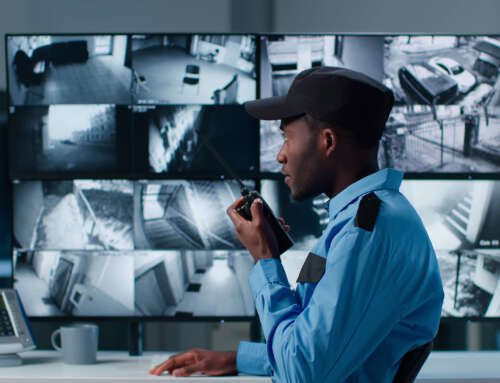
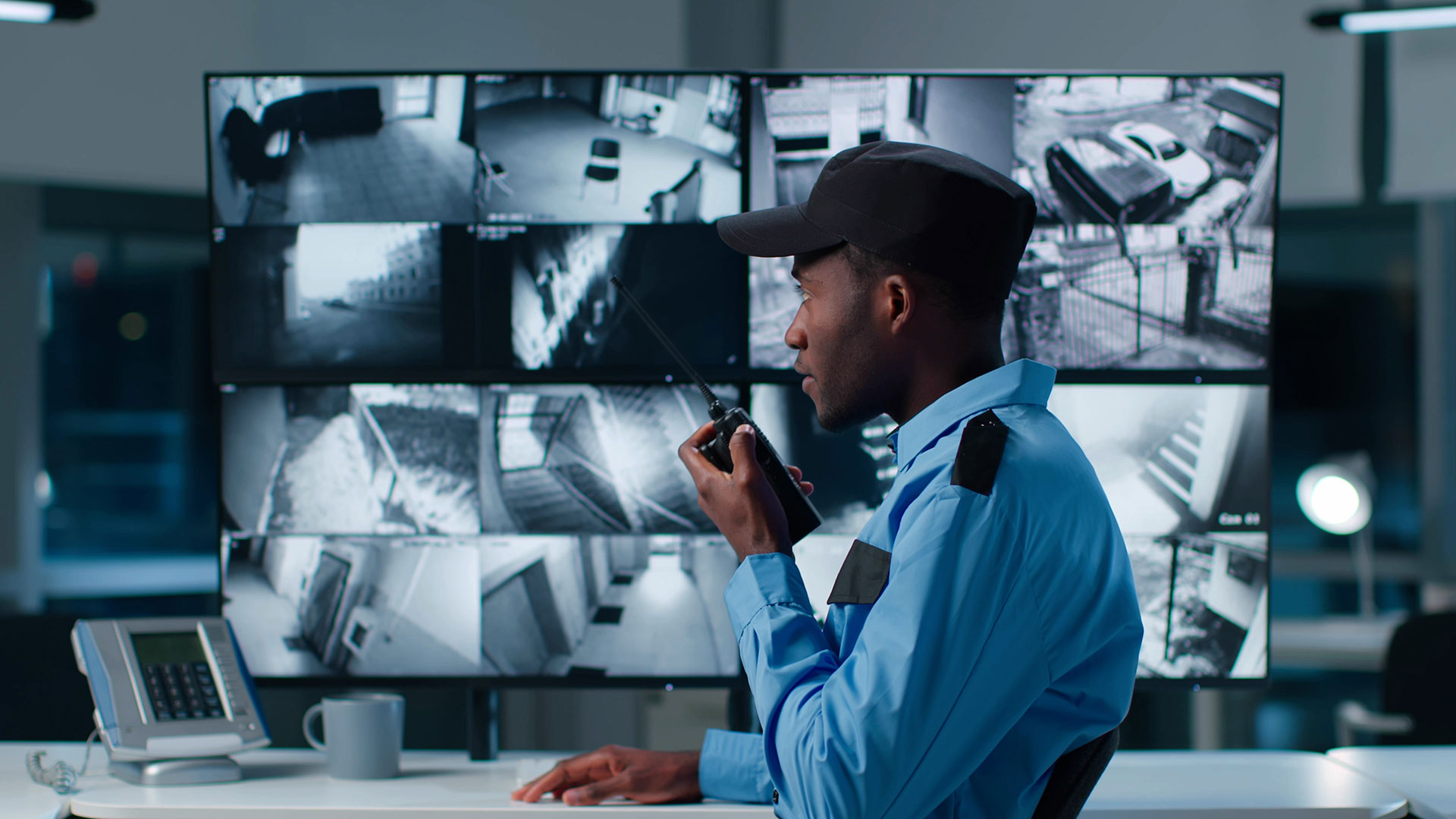
Cover all entry and exit points with CCTV Cameras. The corridors, reception areas, parking lots and every other area must be covered. Make sure cameras are visible. Their presence alone deters bad behavior. Check footage regularly.
Install alarm systems that alert you and the security people when something goes wrong. Make sure it’s connected to a monitoring service that responds around the clock. Replace old keys with electronic systems. Prefer systems with key cards, pin pads and biometric scanners. They give a clear record of areas accessed.
Secure Your Physical Assets
Offices are full of valuable items like laptops, monitors, servers, phones, printers and many more. All of these are targets. Use cable locks for laptops and desktop equipment. Lock server rooms at all times. Restrict access to areas where equipment or sensitive files are stored. Ground-floor offices are especially vulnerable. What people can see, they can plan to take. Important documents should never be left on desks overnight. Lock them in filing cabinets. Shred anything you don’t need. Keep a record of all equipment. This makes it easier to report theft.
Protect Your Digital Assets Too
Digital security is as important as physical security. Make sure every computer is password-locked. Screen locks should activate automatically after a short period of inactivity. Employees should never share login credentials with anyone. Use strong password policies across the whole office. Wi-Fi networks should be secure and separated, too. Your guest Wi-Fi should never have access to your internal systems. Keep them completely separate. Always have a backup for your data. Store backups securely. Train your staff regularly to avoid human error, use of weak passwords and activities like clicking on suspicious links. Digital threats are invisible, which makes them easy to ignore.
Create a Strong Security Culture in Your Office
Technology and guards are important. But your biggest security asset is your own team. When staff understand why security matters and what to do, they become an active layer of protection. Train your employees regularly on basic security procedures. What to do if they see an unfamiliar face. How to report a suspicious situation. How to handle sensitive documents and data properly. Run regular security briefings. Keep security on the agenda. Make it a normal part of how your office operates.
A team that cares about security is far more powerful than any piece of technology.
The Importance of a Professional Office Security Guard
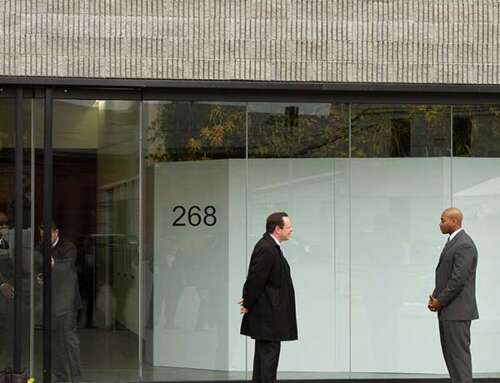
All the technology in the world has one major limitation. It can’t think. It can’t judge a situation. It can’t step in and take action in real time. That’s what a professional office security guard does. A trained guard monitors your building actively. They control access at entry points. Their visible presence alone changes behavior. Potential threats think twice. Staff feel safer. Visitors know the office is professionally managed.
A reliable office security guard is a trained professional who can make active decisions to ensure workplace security. This is where Knight Security delivers real value. Our guards are well-trained, licensed professionals committed to protecting your office. They understand commercial environments. They can handle difficult situations with professionalism.
Conclusion
Dependable office building security is a must for a commercial building. Protecting your office doesn’t have to be overwhelming. Start with the basics. Build from there. Stay consistent. Strong office security means controlling access, using the right technology, securing your assets and training your team. Having the right professionals in place by Knight Security can ensure all of these. From professional security guards to expert advice, we bring the knowledge, experience, and reliability your office deserves. Don’t leave your workplace unprotected. Take security seriously, starting today.
Frequently Asked Questions
1. How to secure an office space?
The first step is access control. Secure the entry and exit points. Add a visitor sign-in procedure, security cameras and alarm systems. Knight Security professional commercial security experts can help assess your office to identify other important steps for complete security.
2. What are the duties of an office security guard?
A professional office security guard does the following duties:
– Monitors entry points
– Patrols the premises
– Monitors CCTV systems
– Responds to alarms and incidents
– Assists visitors
– Manages conflicts
– Coordinates with emergency services when needed
3. How do I protect sensitive documents and data in my office?
Keep the documents locked when not in use. Use filing cabinets with proper locks. Shred anything you no longer need. For digital data, use strong passwords, authentication and backups.
4. Is office security necessary for small companies?
Yes, equally important. Small and medium-sized offices are easy targets for criminals. Your office holds valuable assets and sensitive data. Your staff, too, needs a secure environment. Knight Security works with businesses of all sizes to provide affordable security solutions.