Commercial properties protect businesses, workers, visitors, and years of hard work. A strong security building plan helps prevent loss, fear, and serious damage. Safe buildings create confidence, comfort, and stability for everyone inside daily. Modern threats require smart planning, strong systems, and constant security awareness. Commercial spaces must stay prepared to handle risks before problems appear.
Understand the Property’s Unique Security Risks
Every commercial building faces different security risks and daily challenges. Security requirements are highly influenced by location, size, traffic volume, and hours. Office spaces are not as vulnerable as factories or shopping malls. Identifying weak areas helps stop incidents before damage occurs. Security planning should begin with careful study, not assumptions or guesses. Knowing routines and blind spots improves protection for people and assets.
Control and Monitor All Entry Points
Uncontrolled entrances increase risks for theft and unwanted access. All entry points should remain defined, monitored, and properly restricted. Access control systems limit movement to approved people only. Key cards, codes, or biometric tools improve safety and accountability. Visitors should follow clear entry rules and identification processes. Controlled access protects workers, clients, and valuable property assets.
Ensure that the property is well-lit both inside and outside.
Illegal activity and scary mobility are encouraged in dark locations. Bright lighting enhances visibility and reduces regions of concealed danger. Entrances, pathways, and parking lots should all have enough description. Interior illumination makes it more comfortable for cameras and security personnel to see suspicious exercises. Areas with good lighting demonstrate care, accountability, and a dedication to safety.
Purchase Top-Notch Surveillance Systems
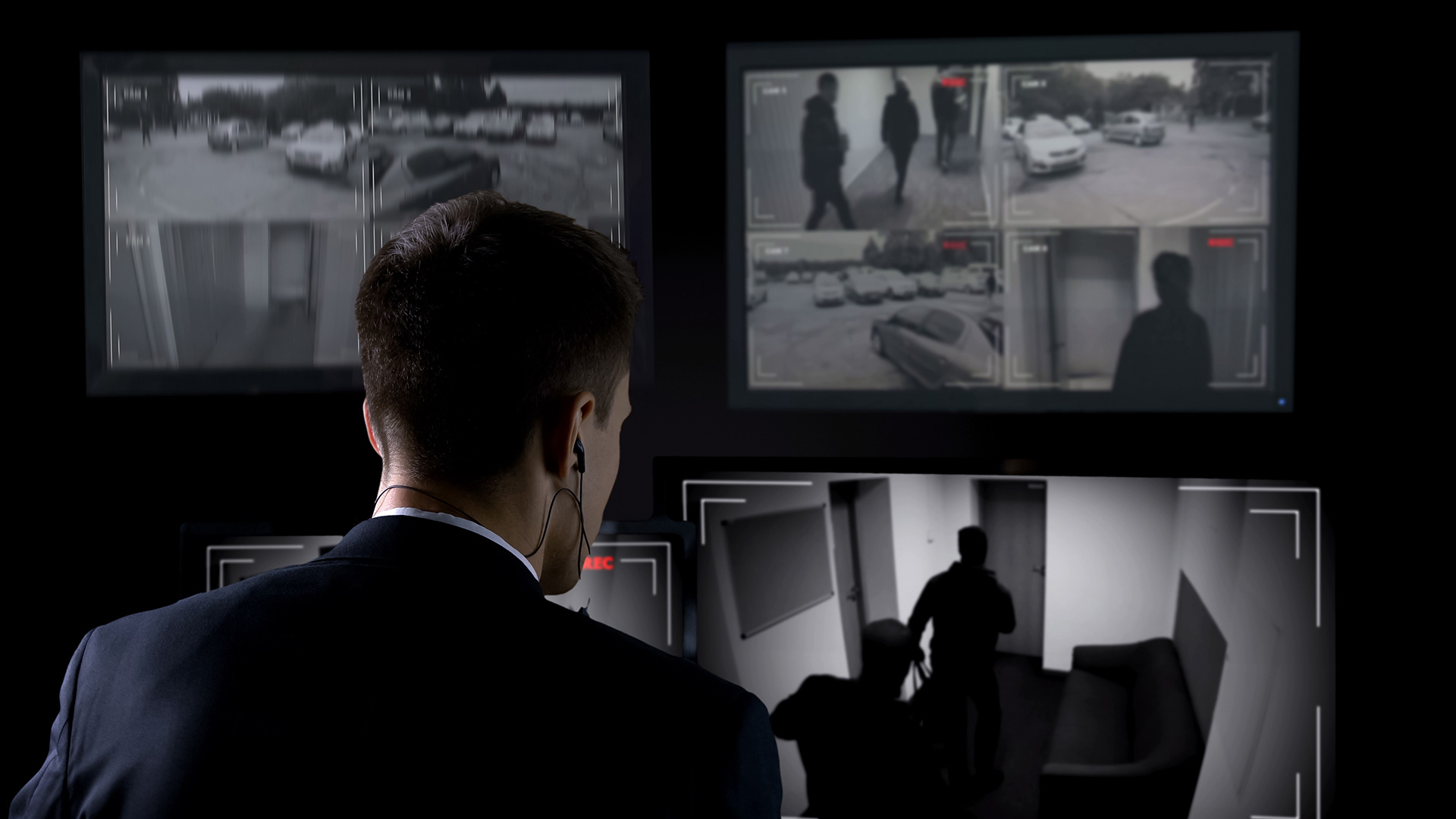
Security cameras record vital action, which helps control crime. Visual cameras improve general safety by deterring transgression. Parking lots, corridors, and doors should all have high-quality cameras established. When suspect activity arises, constant management enables a prompt response. Both at night and while seeing from a distance, modern technology operations. For workers and guests, tracking fosters confidence and trust.
Employ Trained Security Personnel
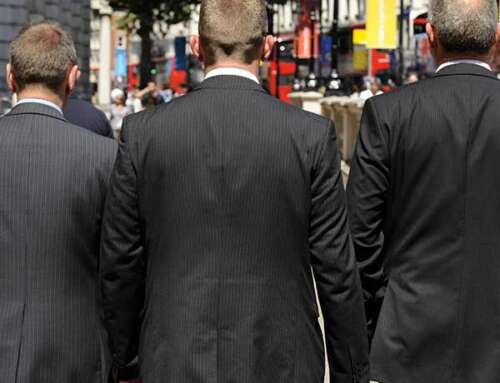
Technology alone cannot replace human awareness and decision-making. Trained guards provide quick action and calm emergency responses. Security personnel monitor behavior and manage unexpected situations. Visible guards discourage threats and unwanted behavior. Knight Security NY provides professional guards for commercial properties. Skilled personnel add confidence and emotional safety for everyone present.
Create Clear Emergency Response Plans
Emergencies require preparation, not panic or confusion. Clear plans help people react safely during serious situations. Fire, medical, or security events need defined responses. Staff must understand evacuation routes and safety strategies. Practice builds trust and reduces fear during real emergencies. Prepared buildings protect lives and minimize possible damage.
Schedule Regular Security Audits and Updates
Security threats change and grow over time constantly. Old systems may fail without regular checks and updates. Audits find defects before they become serious problems. Elevating equipment improves long-term building protection. Ongoing evaluation shows commitment to safety and responsibility.
Why Strong Building Security Matters Emotionally
Security affects emotions, trust, and daily comfort levels. Employees deserve safety while working late or alone. Visitors expect protection inside commercial spaces always. Safe environments reduce stress and improve productivity levels. Strong security allows focus on growth and success.
Choosing the Right Security Partner
Professional security requires experience, reliability, and consistency. Trusted providers understand both safety needs and emotional impact. Knight Security NY offers dependable building security services. Strong partnerships ensure protection through planning, not chance.
Final Thoughts
Business structures thrive when safety is given priority rather than disregarded. People, property, and goals are protected by an efficient security plan. Commercial facilities become more resilient when they recognize the risks, restrict access, use modern technology, employ qualified personnel, and are ready. Investing in protection includes a future free from unnecessary risk, stability, and peace of mind.
Frequently Asked Questions
How can building security be enhanced by access control systems?
Only those who are allowed can enter thanks to access control systems. Unauthorized entry into buildings is prevented via key cards, codes, or biometric devices. Additionally, these systems monitor entry activity, enhancing accountability. Without interfering with regular operations, controlled access increases overall building protection and lowers internal threats.
For business structures, why is building security significant?
People, property, and regular business activities are protected by building security. Theft, vandalism, and illegal entry are all decreased in a secure setting. When protection is dependable and visible, both workers and guests feel safer. Additionally, strong security helps firms prevent reputational harm and financial loss. Because safety brings peace of mind, businesses can concentrate on expansion rather than ongoing concern.
Why do we still need security guards with training?
Security personnel with training offer human judgment and prompt action. Guards oversee guests, deal with crises, and remain composed under pressure. Their presence reassures staff and clients and deters threats. Trained guards with a thorough understanding of business security requirements are provided by professional firms such as Knight Security NY.
Which security threats are most prevalent in corporate buildings?
Common threats include trespassing, theft, defacement, illegal access, and break-ins after hours. These perils are heightened by obsolete systems, dangerous access, and a lack of lighting. There are further challenges in areas that see numerous foot activities. It is possible to prevent events before they get worse by specifying these risks early.