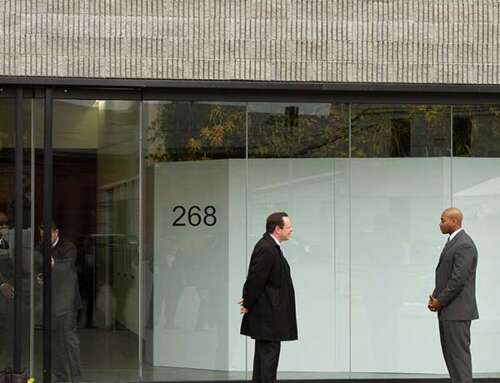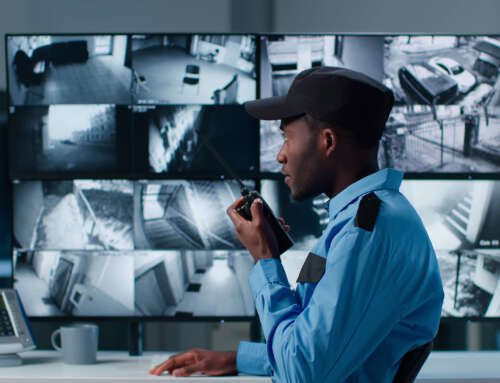
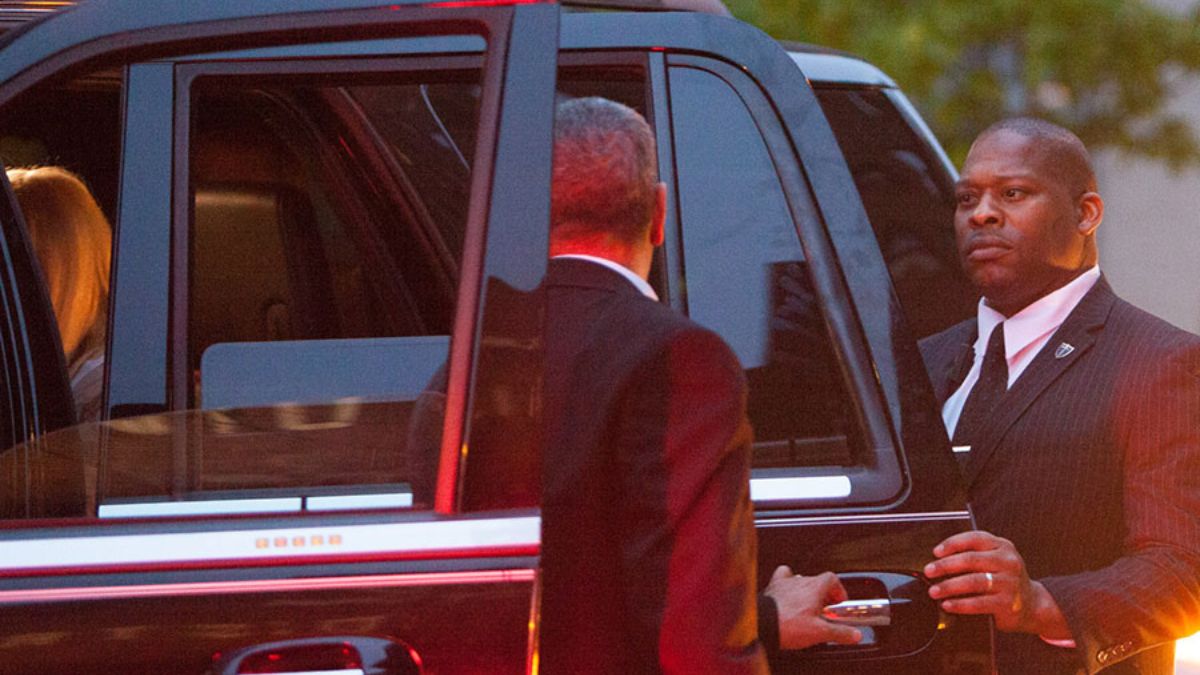
There are certain differences between executive security services and executive protection. While executive protection services are more about physically safeguarding a high-profile individual by employing a team of trained personnel, executive security services refer to a broader area. Knowing the differences before hiring is critical.
Executive Security Services
- Broad security framework
- Covers infrastructure, technology and systems
- Includes cybersecurity, threat intelligence and risk assessment
- Protects assets, offices and documents
- Strategic and administrative
- Operates behind the scenes
- Long-term program
Executive Protection
- Narrow, personal security
- Focuses on protecting the individual
- Includes physical protection and secure transportation
- Operational
- Highly visible
- Real-time security
Leaders are always surrounded by crowds. These can be their followers or opponents. Whether you are a government official, an entrepreneur or a public figure, you are often exposed to environments that carry risk. From physical security to security of information, you can be a potential target for threats in different situations. Ensuring personal safety is not an option, it’s a necessity for high-profile personalities. It lets you work securely, lead effectively and make decisions confidently.
The security services for leaders can be categorized into two types:
- Executive security services and
- Executive protection
These terms are frequently used interchangeably, but there is a significant difference.
Understanding the Difference Between Executive Security Services and Executive Protection
Executive security services
Suppose you are a high-profile leader. To perform your duties, you have to travel to places, address crowds and handle important documents. Security for you is not just about physical safety. For complete protection, you need executive security services. It is a broad term that encompasses:
– Threat intelligence
– Cybersecurity
– Residential security systems
– Travel risk management
– Organizational security
– Crisis communication planning
– Administrative and strategic security program
Executive protection
It refers to a close protection function. A trained security personnel will accompany you wherever you go, observe things around you and physically safeguard you in your day-to-day movements. Executive protection is a visible layer of protection. Executive protection personnel:
– Conducts advanced work on locations you will visit
– Manages secure transportation
– Follows you
– Provides physical protection
– Responds to physical threats in real time
Depending on the different scenarios you face as a leader, you can hire protection executives. Hiring only close protection without the supporting infrastructure can leave you vulnerable. Conversely, opting for infrastructure security without expert physical security can leave a gap at critical points. Knight Security recommends a professionally conducted audit to determine your security requirements.
Why complete safety solutions matter
Physical Threats
High-profile individuals commonly experience physical threats like violence, kidnapping, stalking and attacks. They operate in diverse and unpredictable environments. They travel to different regions, attend public events and engage with stakeholders worldwide.
Digital And Cyber Threats
Leaders often experience cyber attacks from people trying to hack their personal and official information. The safety of their digital information is as important as their physical safety. Any security plan without cybersecurity is incomplete.
Reputational Management
Often attackers use misinformation, media manipulation and leaking of private information as their weapons to harm the reputation of high-profile individuals. It can be devastating for both an individual’s safety and their organization’s stability.
Travel Risks
Factors like political instability, civil unrest, terrorism and regional conflicts have created travel risks for leaders. Those who travel internationally face risks in real-time. Thus, they need real-time travel intelligence that can sense threats and develop security plans.
Addressing these issues collectively is essential, as addressing only one or two of these exposes you to certain risks.
Key Components of a Complete Safety Solution
Threat Intelligence and Risk Assessment
Security professionals must evaluate and understand specific threats to individuals. This information forms the foundation for an effective security plan.
Close Protection Personnel
Skilled close protection officers ensure complete physical safety. They can handle unexpected situations and emergencies the way no technology can replicate. The best protection personnel are discreet, adaptable and capable of blending seamlessly into the environment.
Advance Work and Venue Security
Before a protected individual arrives at any location, detailed advance work is needed. This involves physical inspection of the venue, finding emergency exit routes, assessing potential threats and coordinating with local security.
Secure Transportation
A high-profile person needs security when traveling from one location to another. For secure transportation, trained drivers and appropriate vehicles are needed. The routes must be planned and route deviations should also be considered.
Residential and Office Security
An individual’s home and primary workplace required highest security. Residential security programs include physical access control, surveillance systems, safe rooms and protocols for staff. Office security involves visitor management, access control, mail and package screening.
Cybersecurity
Protecting the digital information of popular personalities is now inseparable from a safety plan. These include personal device security, encrypted communications, social media monitoring, dark web surveillance and security audits.
Emergency Handling
Executive protection teams include personnel with advanced emergency medical training. In case of a medical emergency, the protection team must provide immediate response.
Crisis Communication
When a security incident occurs, the security team should be able to communicate effectively and manage the situation.
Technology Is Reshaping Executive Protection
Technology is an important part of any security plan. Several advanced technological tools are being incorporated into executive protection programs. Artificial intelligence-powered threat monitoring tools, biometric access control and advanced surveillance systems, encrypted communication, drone detection and various other high-tech systems are now a part of the current executive security services. With these high-tech tools, your and your assets’ security is always ensured.
Knight Security has been serving in the security industry with their team and advanced technological tools for decades. Contact the team for the most trusted executive security services.
Frequently Asked Questions:
1. What is the most important difference between executive security services and executive protection?
Executive protection is specifically for physical protection while executive security services is a broader discipline that includes threat intelligence, cybersecurity, residential security, travel risk management, and crisis communication.
2. When should a leader consider executive protection?
The decision should be based on a professional threat assessment. If the person is exposed to legal proceedings, frequent international travel and credible threats, executive protection can be considered.
3. Is cybersecurity a part of an executive protection program?
Yes, cybersecurity is a central component of executive security services. It is essential to mask a leader’s schedule, travel plans, home address and personal information. Cyber attacks are targeting leaders’ personal or professional devices. Executive protection programs address cyber risk through device security, encrypted communications, social media monitoring and regular digital security audits.