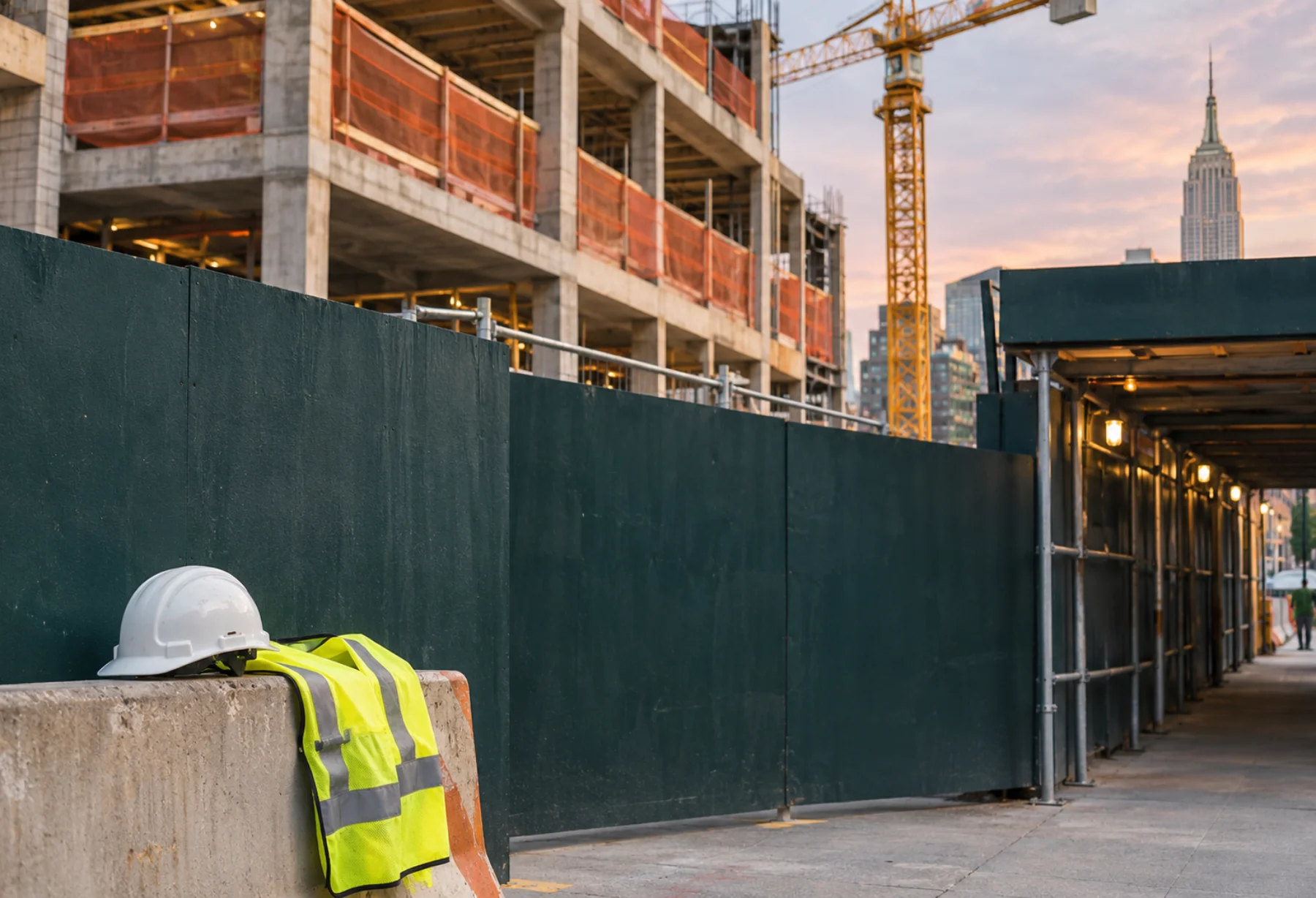
A construction site is harder to secure than a finished building, and the reason is simple. The building’s own protection is not installed yet, the perimeter moves every week, and the most valuable things on site arrive by truck and sit outdoors until they are used.
Everything that makes a site productive also makes it exposed. Deliveries, trade access, temporary power, open floors and a schedule that puts people on site at odd hours.
What actually goes missing
Not much of it is sophisticated. The pattern across sites is consistent.
- Copper and wire, cut from runs or taken from reels before installation
- Hand and power tools, which are small, unmarked and immediately resellable
- Appliances and fixtures, taken in the window between delivery and installation
- Lumber and finish materials, often in quantity, by vehicle
- Fuel, siphoned from plant and generators
- Catalytic converters, from equipment and vehicles left overnight
- Small plant, compactors, generators, saws, anything that fits in a pickup
The direct loss is rarely the expensive part. The expensive part is the day the crew cannot work because the thing they needed is gone, and the reorder takes a week.
Why sites are exposed in the first place
Four conditions make a jobsite different from a building.
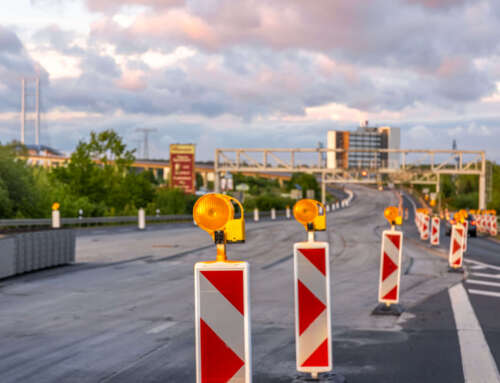
The perimeter is temporary and it moves. Fence lines shift as the work progresses, gates get relocated, and a hoarding panel that was solid on Monday has a gap behind it by Friday.
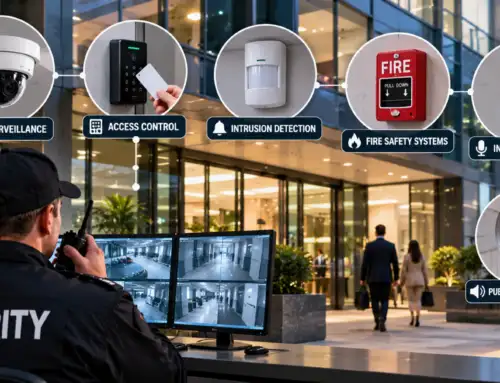
There is no permanent system. Fire alarm, sprinklers, access control and cameras are part of the thing being built. Until they are commissioned, the site runs on temporary measures.
Everyone is a stranger. Dozens of trades cycle through, subcontractors bring their own crews, and the person walking across the deck in a vest and hard hat looks exactly like everyone else.
The site is empty and known to be empty. A site’s shutdown time is public information. Anyone who watches for two evenings knows when the last trade leaves.
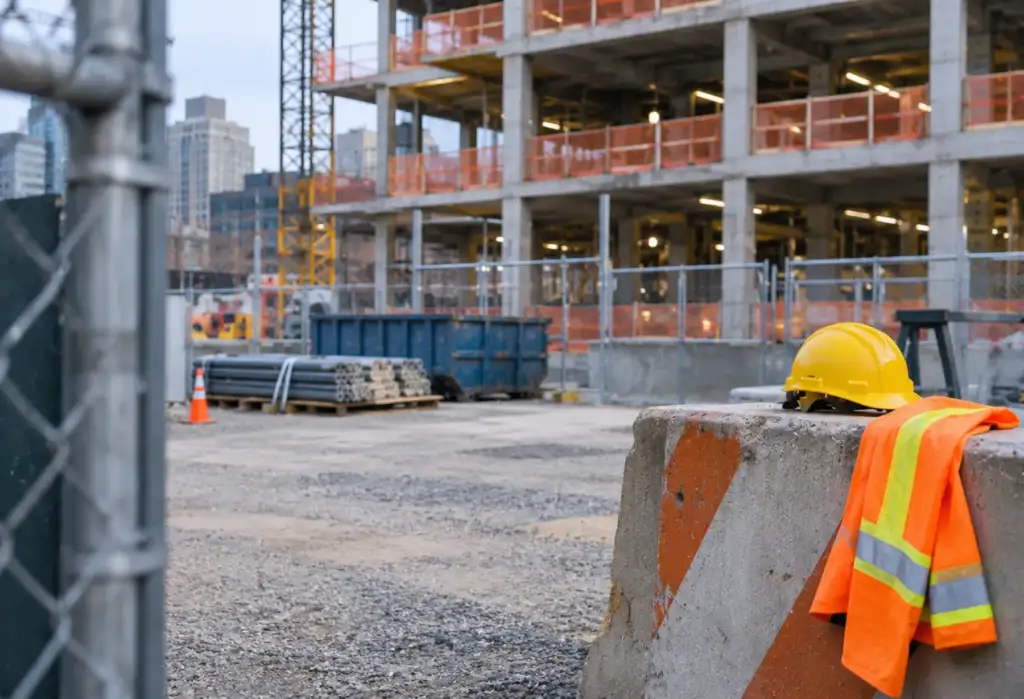
Construction site security works in layers
No one measure covers a site. What works is a set of layers where each one buys time or information for the next.
| Layer | What it is for |
| Perimeter | Solid hoarding and fence, gates that actually lock, no gaps behind panels |
| Lighting | Removes the dark approach. Unlit corners are where entry happens |
| Access control | One controlled entry point, a sign-in that is real, visible identification |
| Material storage | Containers and cages, high-value items indoors or locked, not left on open deck |
| Asset marking | Tools and plant marked and recorded, which makes resale harder and recovery possible |
| Cameras | Coverage of the gate, the compound and the storage area, with recording that is retrievable |
| Guard presence | A person who can see, decide and respond, which no camera does |
| Closeout routine | An end-of-day check that gates are secured, plant is locked and nothing is left out |
The order matters more than the budget. A site with a good perimeter, one gate and real lighting is in better shape than a site with expensive cameras and three gaps in the fence.
Where a guard changes the outcome and where a camera does
They solve different problems and are often sold as substitutes.
A camera is a record. It establishes what happened after it happened, which matters for insurance, for the police report and for finding out how someone got in. It does not stop anything by itself, and a recording nobody is watching stops nothing at all.
A guard is a decision. Someone on site can challenge a person who should not be there, notice that a panel has been moved, stop a delivery that does not match the paperwork, and call it in while it is still happening.
The practical answer on most sites is both, with the cameras covering the areas a patrol cannot see continuously and the guard covering the judgment the cameras cannot make. Knight provides unarmed security guards and security guard services for this kind of assignment, and construction sites sit inside our commercial building security services .
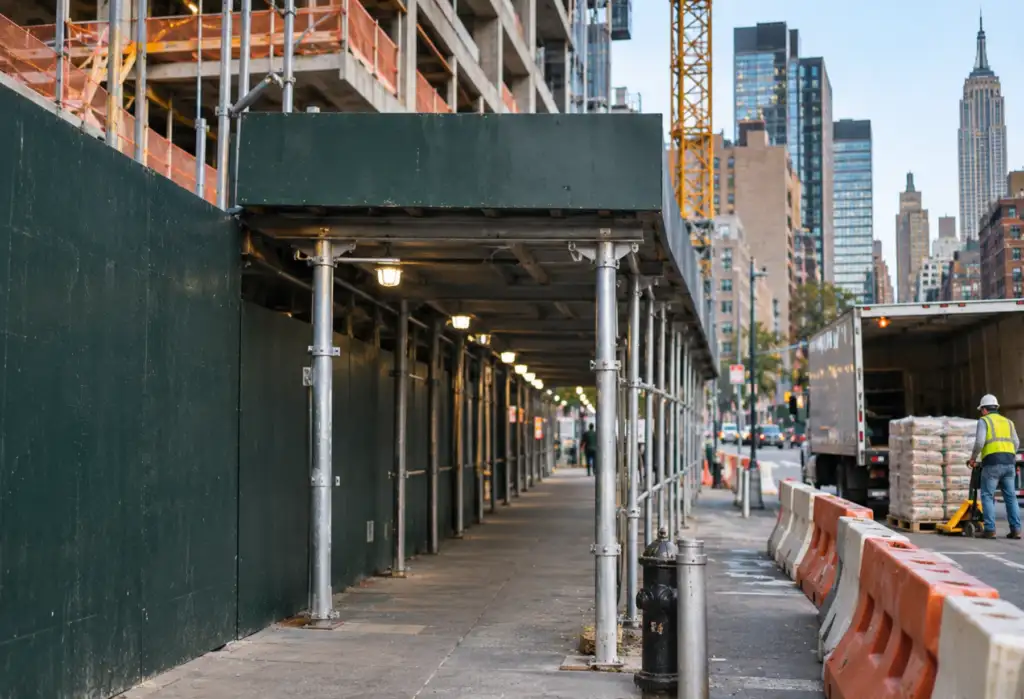
What a site guard does on a shift
Mostly access control and patrol, with the balance depending on whether the site is live or shut down.
During working hours the job is the gate. Who is coming in, whether they are expected, whether the delivery matches the docket, and whether anyone is leaving with something they did not arrive with. Most site loss happens in daylight, through the front gate, carried out by someone who belongs on site.
Overnight the job is patrol and observation. A route at irregular intervals rather than the same loop on the same clock, checking the fence line, the storage compound, the plant, the lower floors and the stairs. Logging what was checked and when, because the log is what makes the patrol provable.
Both shifts come down to writing things down accurately. A site diary that records a moved fence panel on Tuesday is how you find out on Thursday that someone has been testing the perimeter. Our tips for effective guard patrolling cover the routine in more detail.
Once the building is finished and occupied, the job changes into something closer to commercial building security with fixed systems and a permanent perimeter.
Fire safety is part of site security
This is the part most site security guides leave out, and on a New York City job it is not optional.
Hot work, meaning cutting, welding, brazing, soldering, grinding, thermal spraying, thawing pipe and torch-applied roofing, is not allowed on a construction site if the sprinkler system or the standpipe system is impaired. That is an FDNY rule, and it applies once those systems are installed and approved.
Before a fire protection system has been installed and approved, which means all required approvals including Department of Buildings signoffs, there is no impairment coordinator or fire watch requirement, because there is nothing in service to impair. Once a system is installed, approved and then goes out of service, that changes. The Construction Site Fire Safety Manager holding the S-56 certificate has to be designated impairment coordinator, and a fire guard for impairment is maintained while the building is occupied.
Our guide to what a fire watch is covers the hourly patrol, the F-01 certificate and the record-keeping in detail.
The New York City complications
City sites have constraints that suburban sites do not, and they change what is practical.
There is no setback. The hoarding is the sidewalk edge. The public is pressed against the perimeter all day, which means the fence line gets tested constantly and casually.
Sidewalk sheds create cover. A shed is a roofed, partly enclosed structure running along a public street, and at night it is a concealed approach to the building’s base.
Deliveries happen on live streets. Material is unloaded into traffic with limited staging space, which creates a window where valuable items are on the sidewalk and nobody specific is watching them.
Neighbors are immediate. Adjoining occupied buildings mean noise windows, restricted hours, shared walls and complaints, so the site cannot simply be lit and loud all night.
Vertical sites separate people. On a tower, the guard at the gate and the work on the twentieth floor are a long way apart. Access control at the base does not tell you who is where above it.
Designing around those conditions is ordinary crime prevention through environmental design applied to a temporary site: control the approach, remove concealment, light what matters and make the controlled route the easiest one to use.
Where to start
If you are standing up security on a new site, the sequence that works is perimeter first, then one controlled gate, then lighting, then storage, then the recording and the people. Doing it in that order means each measure has something to work with.
To talk through security for a specific site, contact Knight Security.
Frequently asked questions
Why do construction sites get targeted so often?
Because high-value, portable, unmarked items sit in a space with a temporary perimeter, no permanent alarm or camera system, and a predictable empty period every night. The combination is unusual.
What is stolen most from construction sites?
Tools, copper and wire, appliances and fixtures awaiting installation, materials in bulk, fuel, and small plant such as generators and saws. Catalytic converters are taken from equipment left overnight.
Do construction sites need security guards or are cameras enough?
They answer different problems. Cameras create a record after the fact. A guard can challenge someone, spot a changed fence line and respond while something is still happening. Most sites use both.
When is a fire watch required on a construction site?
Once a fire protection system has been installed and approved and then goes out of service. Before installation and approval there is nothing in service to impair, so no fire watch is required.
What does a construction site security guard do?
During working hours, access control at the gate: verifying arrivals, checking deliveries against paperwork and watching what leaves. Overnight, patrols at irregular intervals covering the fence, compound, plant and lower floors, with a written log.